

Santa Fe artist Francisco Benitez shows how he recreates an ancient Fayum or ‘mummy’ portrait using Ceracolors-a new water-soluble wax paint by Natural Pigments.
George O’Hanlon and Tatiana Zaytseva recently gave their Best Painting Practices workshop in Santa Fe, New Mexico and at the end of the workshop I did a demo for them with their new Ceracolors line of cold wax paints. These are probably the closest approximation to the ancient waxes of antiquity. With George and Tania’s urging, I documented the creation of this imaginary portrait.
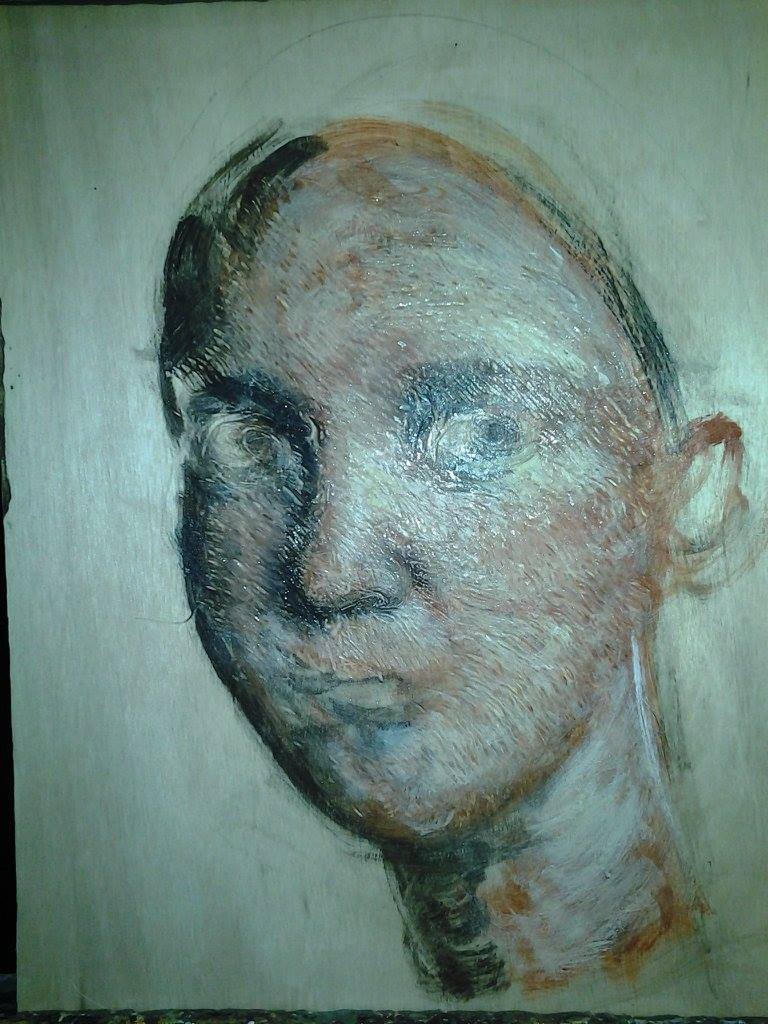
I started with a wood panel with no preparation. The artists from Fayum in ancient Egypt would normally work on a panel with a layer of rabbit skin glue. Since these are waxes the artist can choose to use a size or not.
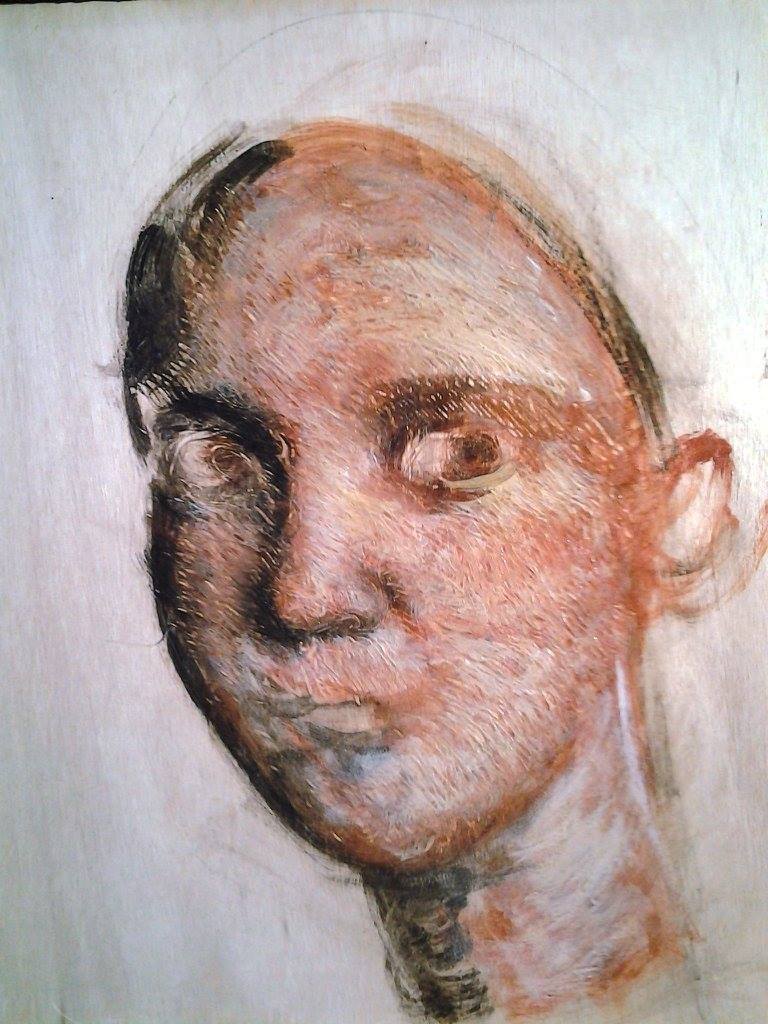
Under different lighting conditions. I add the Ceracolors wet, allow it to air dry, then add a transparent layer of Ceracolors Gel, before using the heated tools to manipulate the paint.
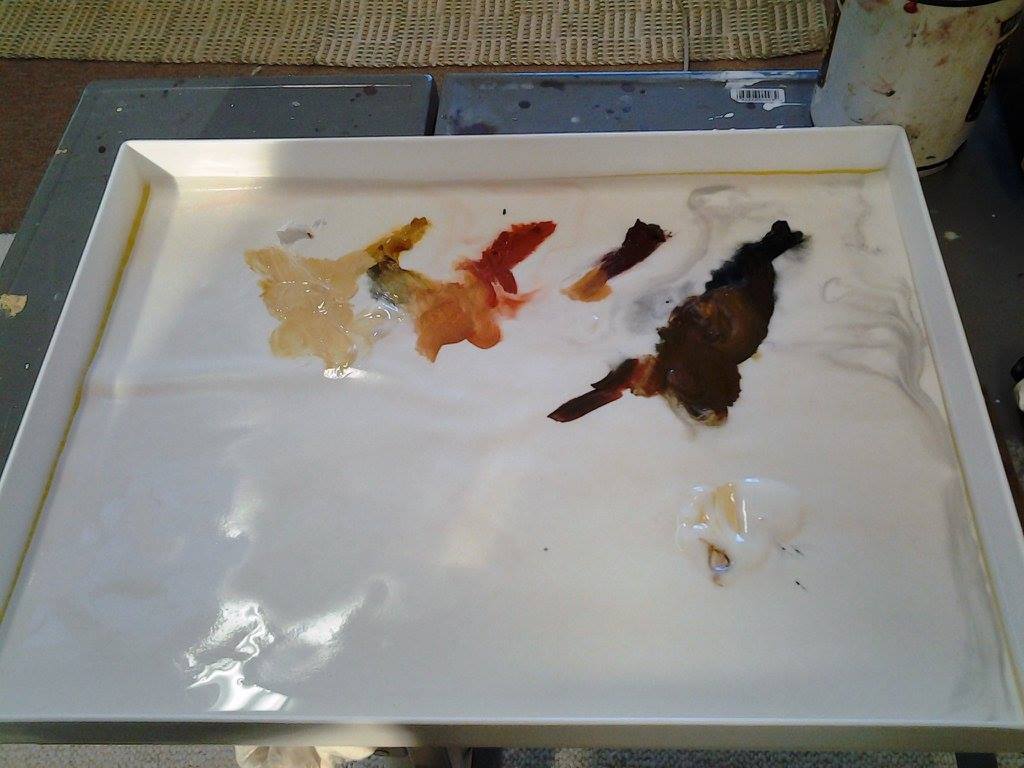
I found that the Sta-Wet palettes are fabulous for Ceracolors. Since they’re water-based, the palette keeps the paints wet for a long time. The colors I used in this portrait are Titanium White, Yellow Ocher, Mars Red (Yellow Shade), Mars Violet and Carbon Black, all colors used by the Greeks. Even Titanium White is believed to be similar to the ancient Melinum—a naturally occurring titanium-kaolinite mineral.
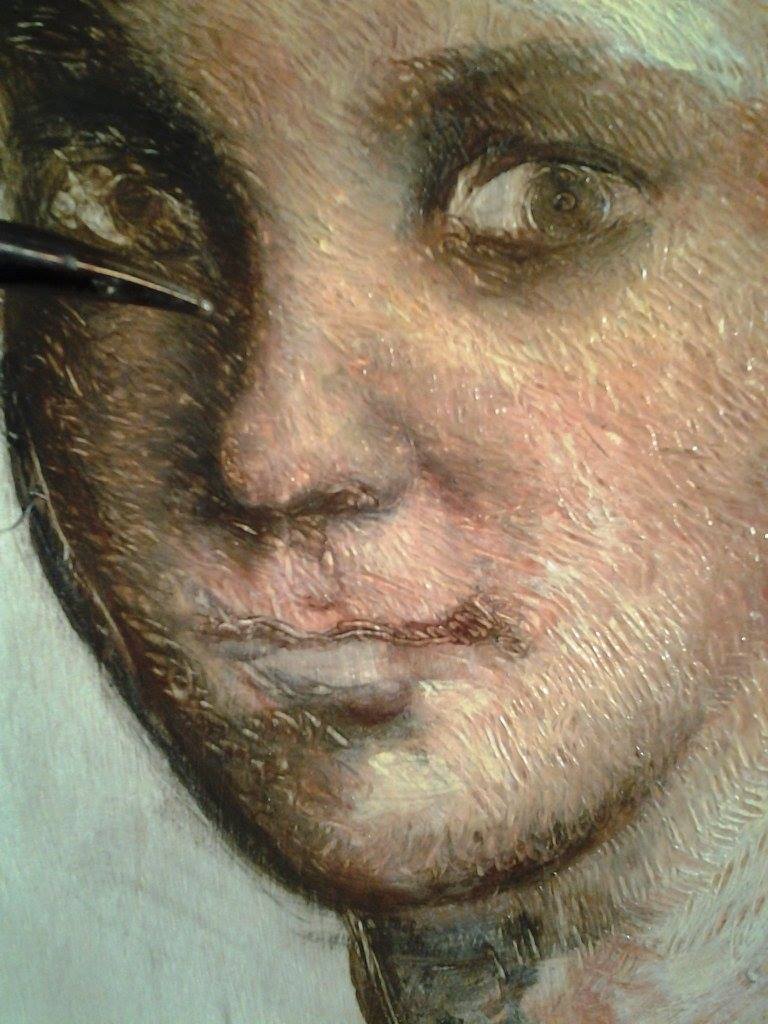
I used R&F’s heated handle and horn to do the characteristic zig-zag marks found in Fayum portraits.
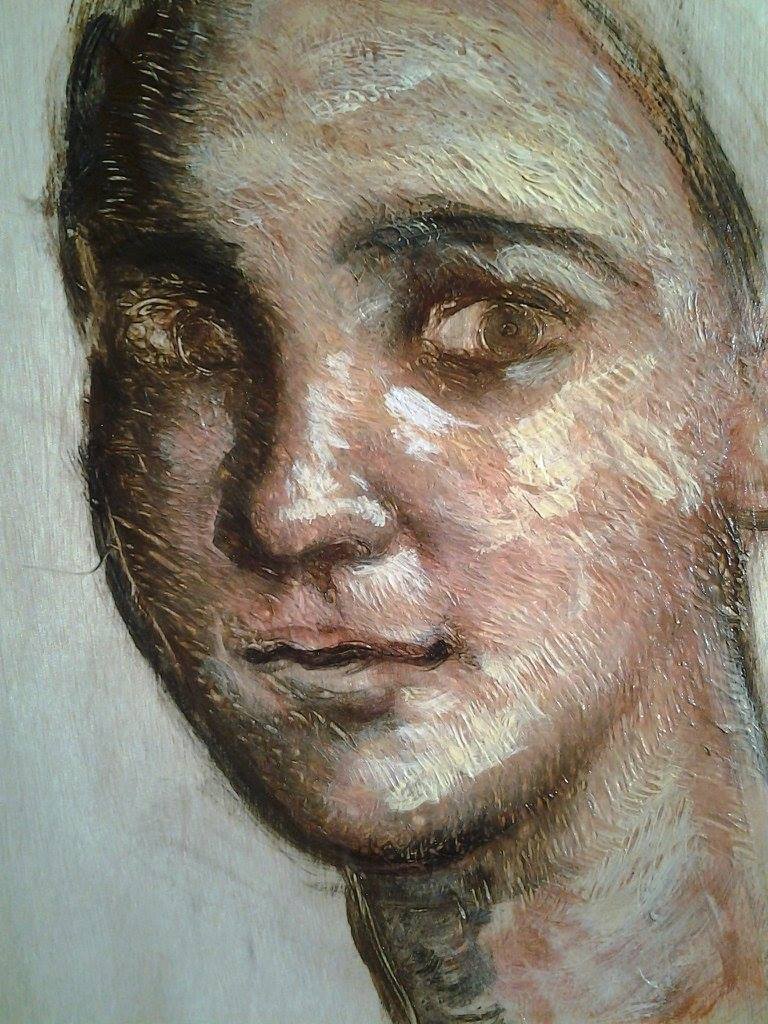
I add more paint wet, let it air dry with or without the assistance of a heat gun, and then add generous amounts of Ceracolors Gel, which I also let air dry.
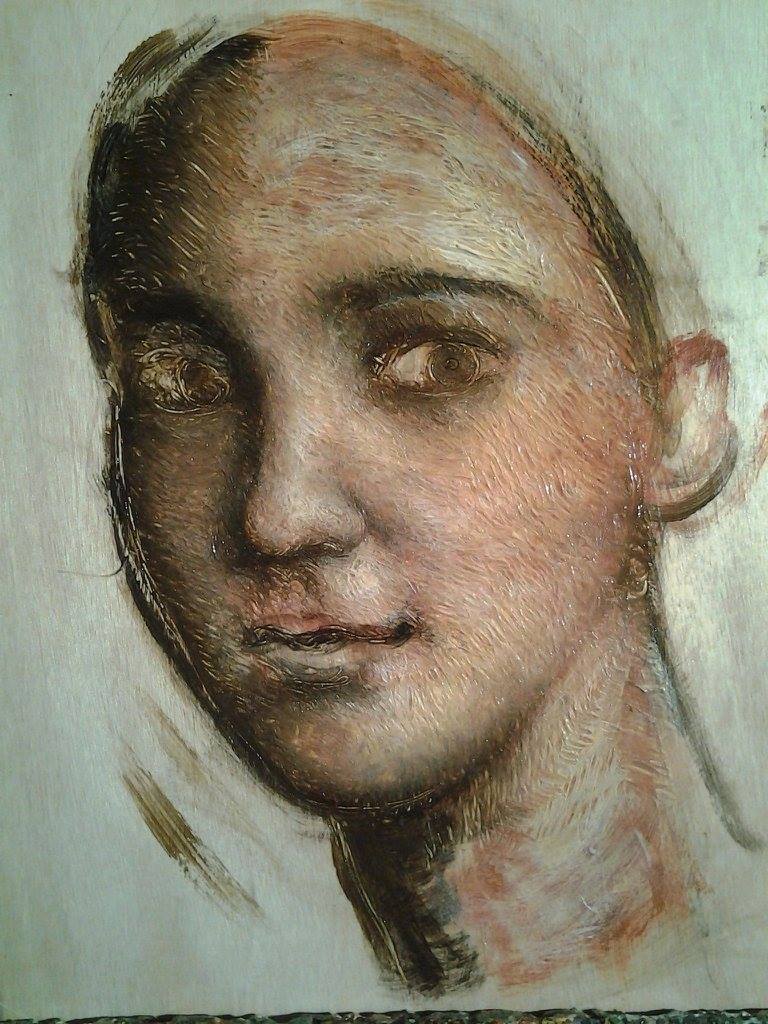
I fuse the tones into the flesh layer underneath using a heat gun.

I continue to refine the flesh tones with many thin layers of Ceracolors and Ceracolors Gel.
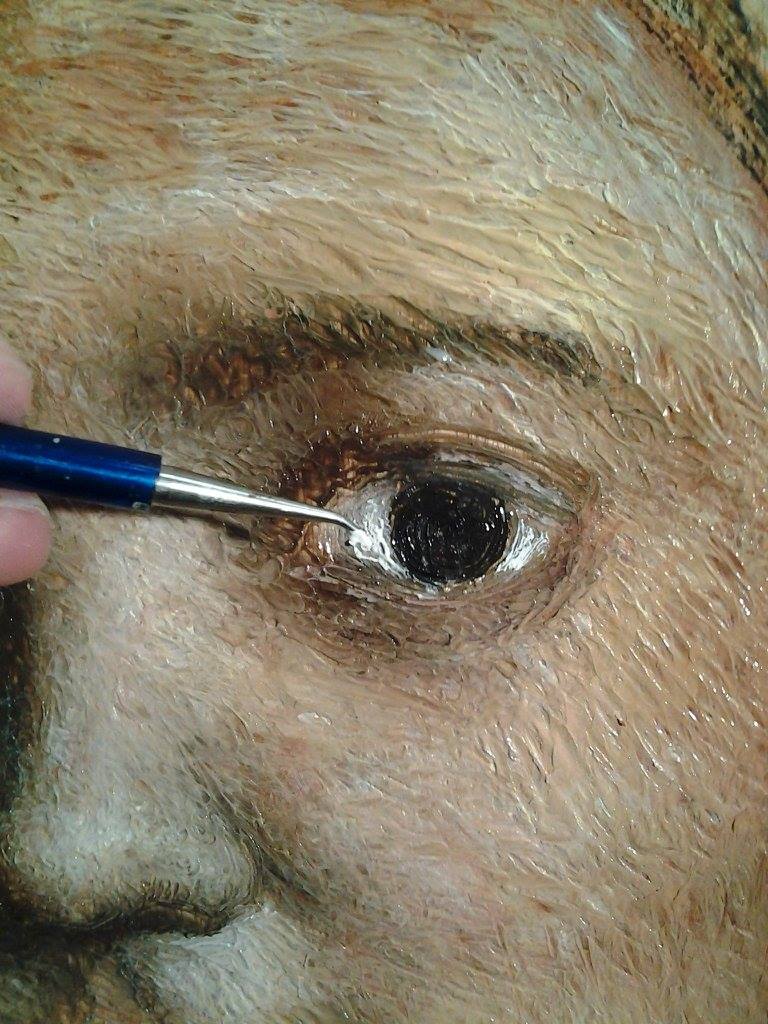
I start using a “cestrum”—a heated tool—to make fine adjustments in the eyes.

I continually work on the face, adding paint, transparent wax, and fusing with the heated tool.
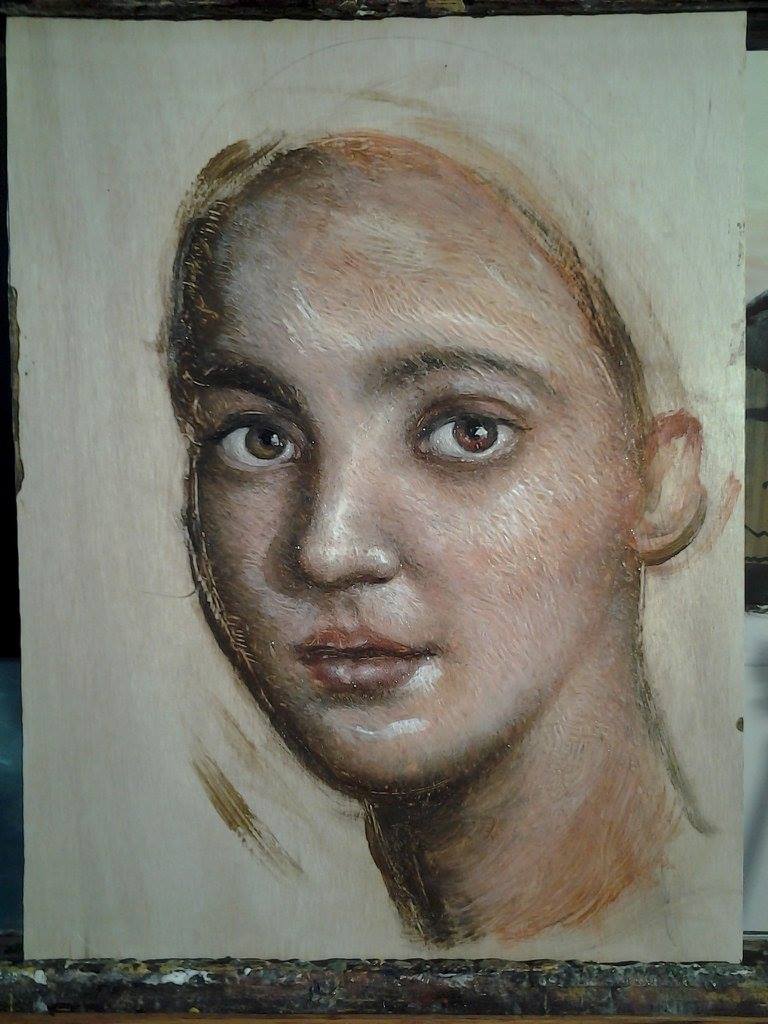
Adding more highlights.
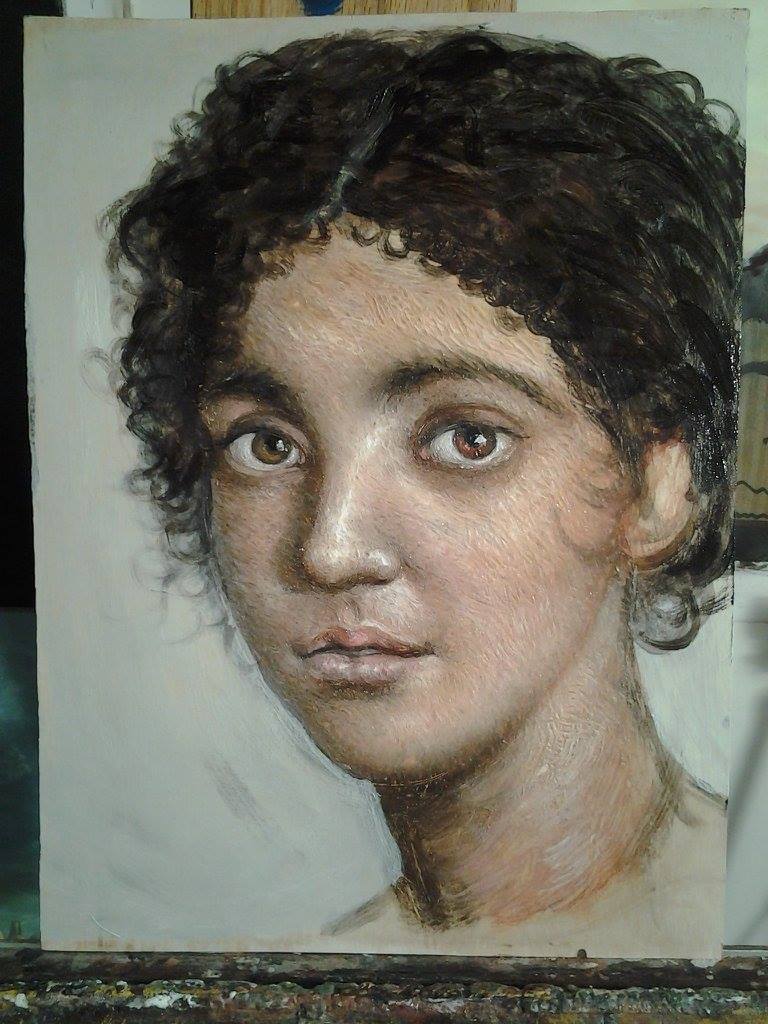
I add hair and background.
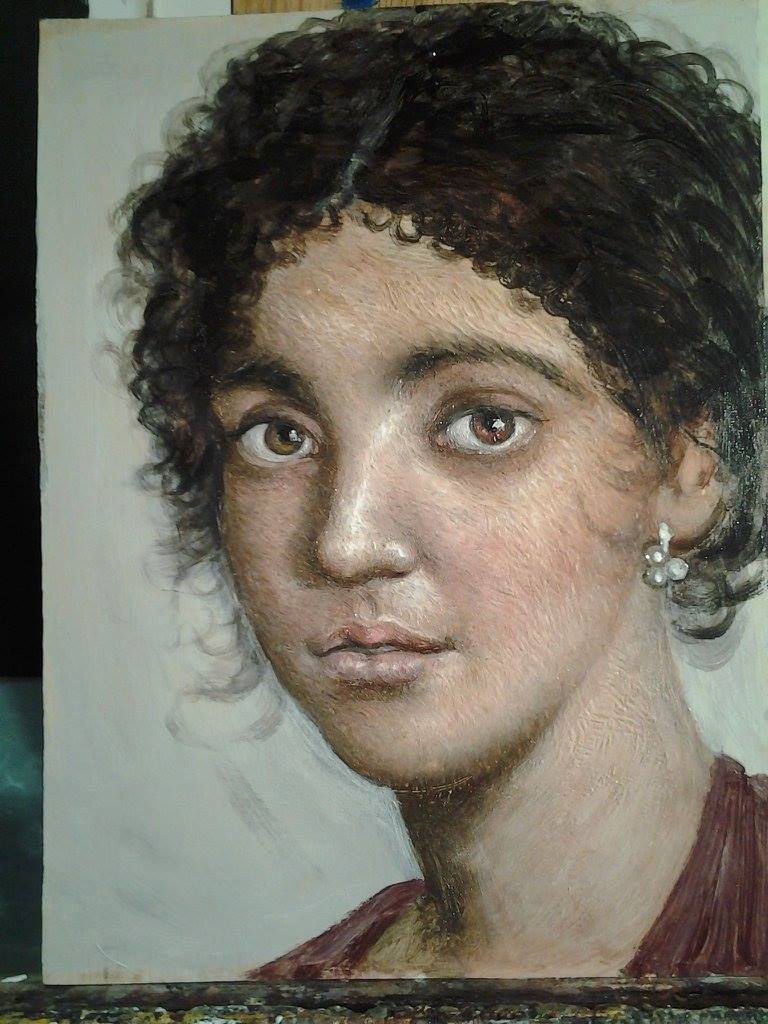
Add the drapery using the gorgeous violet red earth (Mars Violet), an historical color used by the Greeks and Egyptians.
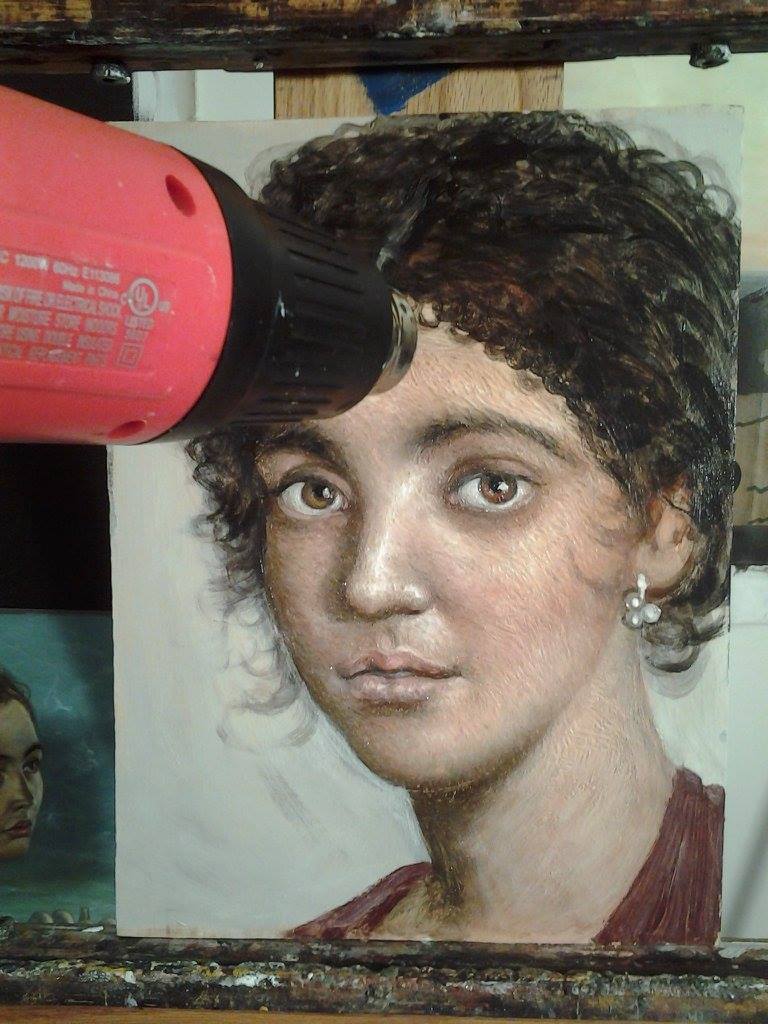
Once the piece is finished, it is best to do one final fuse with a heat gun.
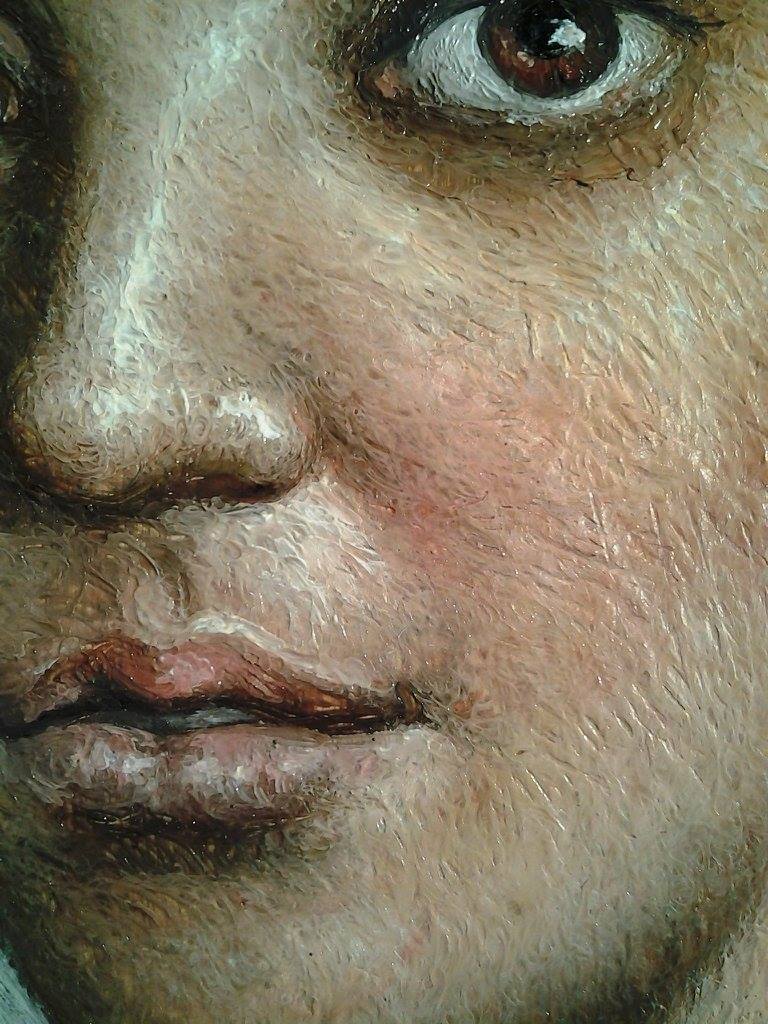
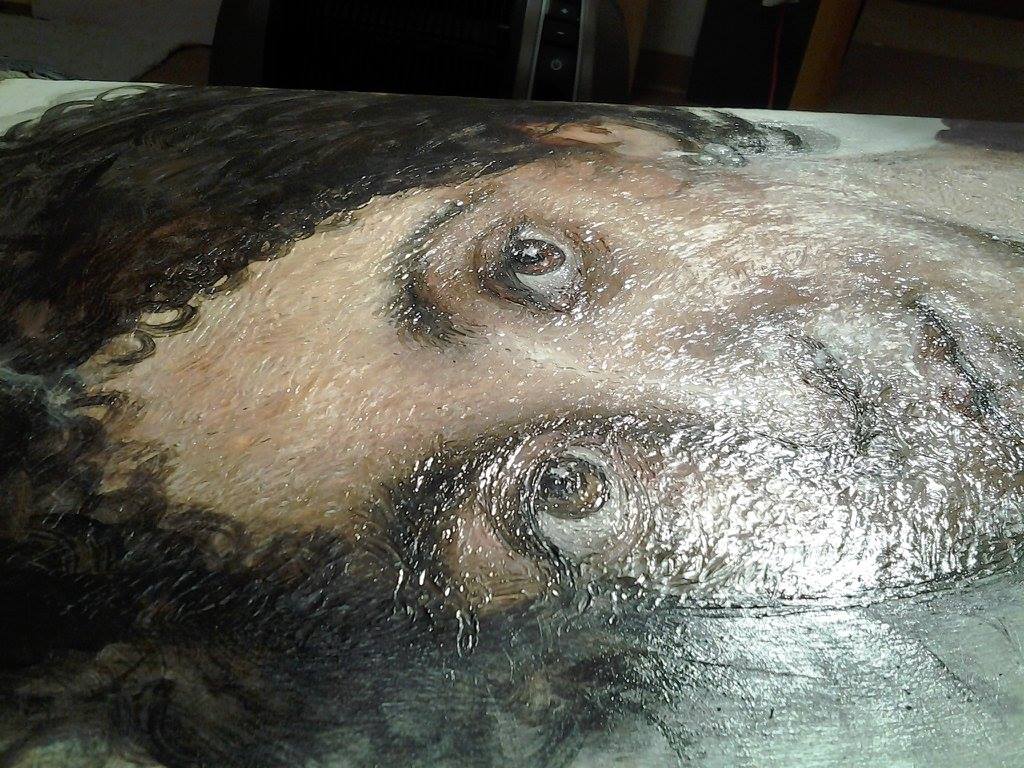
In raking light one can see the surface texture of the wax portrait.
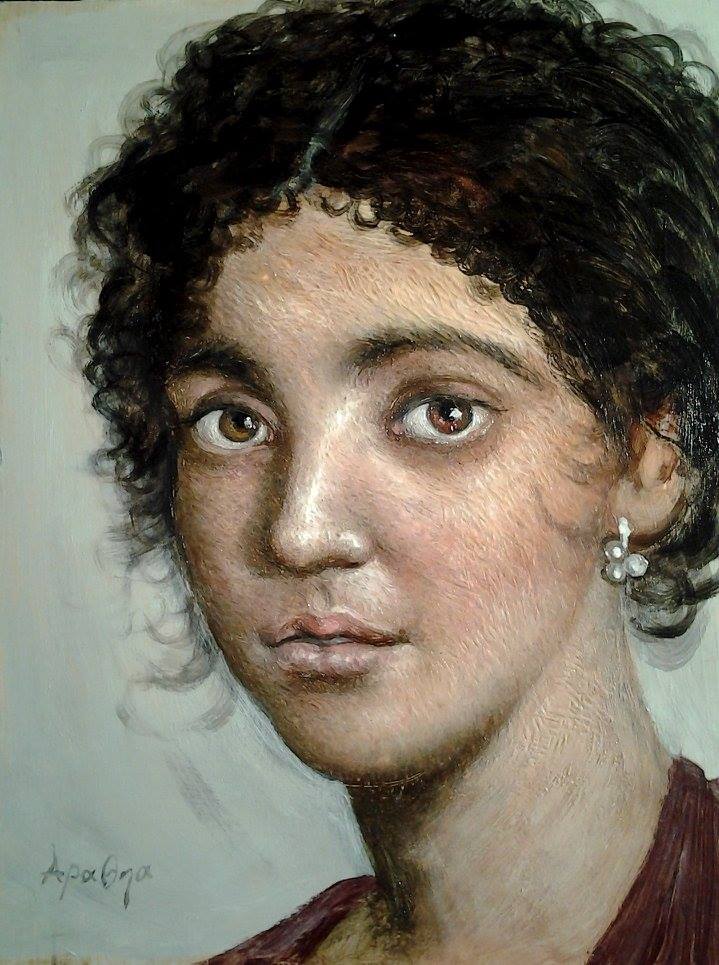
The finished piece, which I entitled, “Aratheia”, based on a comic character I developed years ago.
Thanks for posting, George!
Thank you so much. I will read an re read this again! Oh how I wish I can attend a real class! Beautiful Paco!
Can I found any details regarding to this subject in different languages?
We are sorry but we only have this information in English at this time.
Let me know which languages you are interested.
Seeing this stirred my soul.